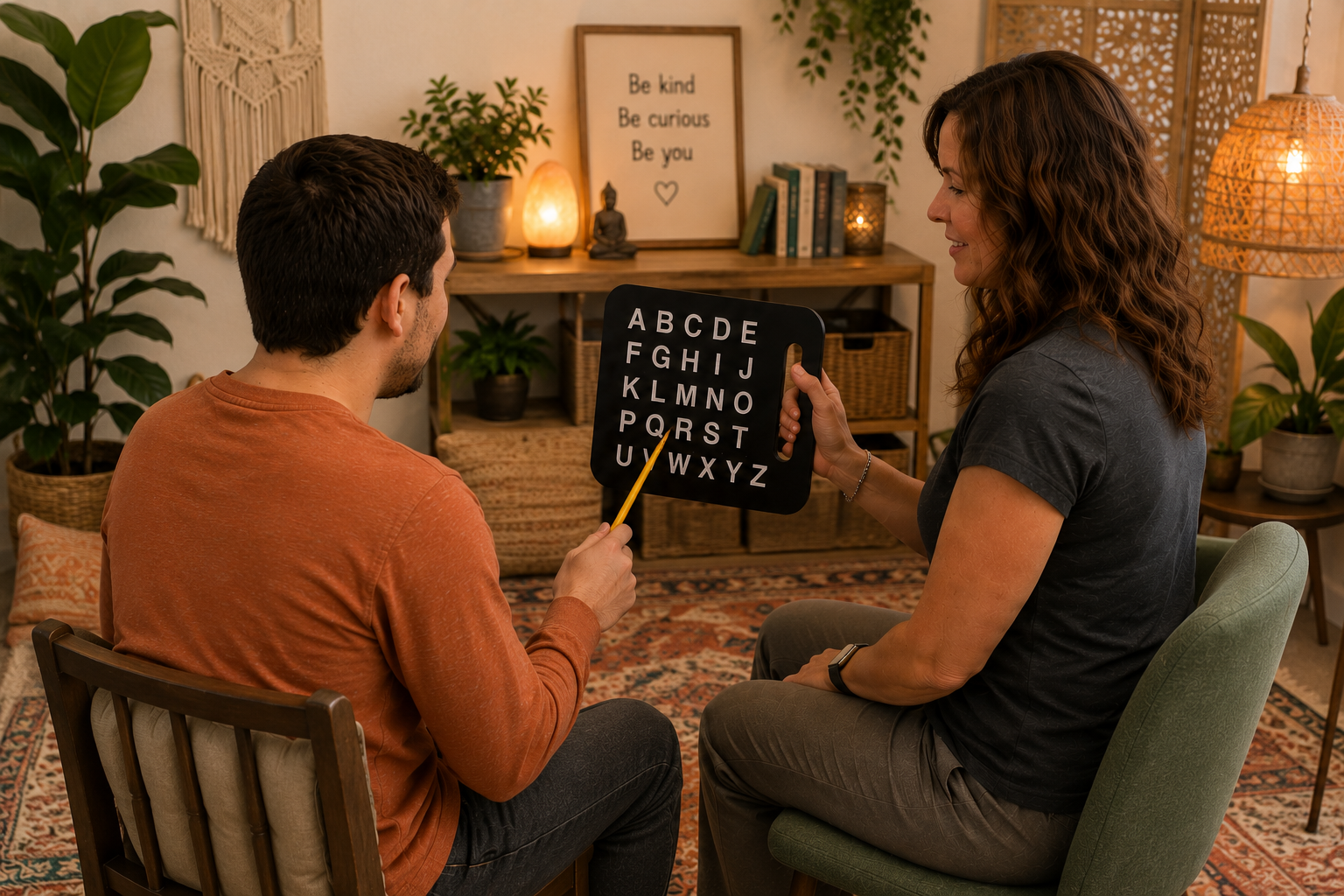
We hold space for that truth — one letterboard, one session, one student at a time.
Our Belief
“Motor differences are not intellectual differences. Every person is presumed competent — not eventually, not potentially, but right now, exactly as they are.”
— Melody, Certified Practitioner
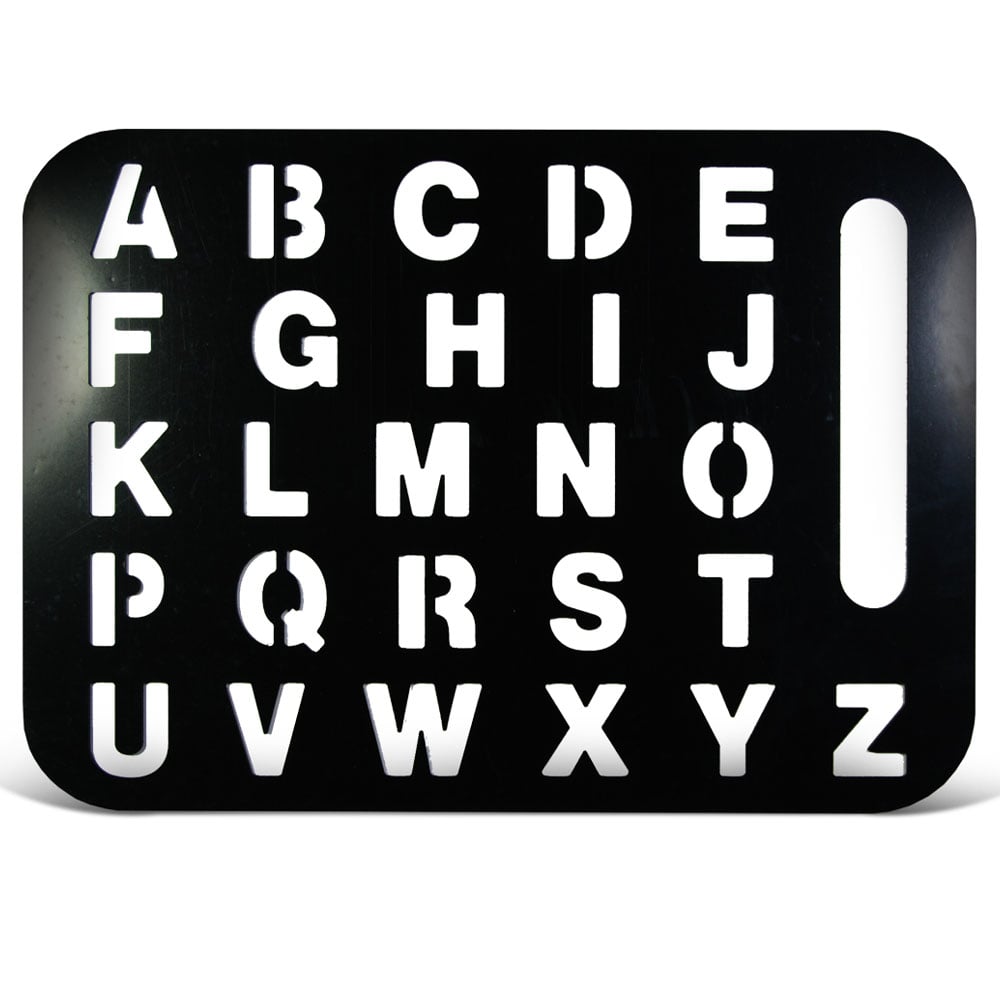
Every poke is an intention.
The letterboard holds no agenda. It does not rush. It does not assume. It simply waits — for the student's hand, their intention, their thought made visible for the very first time.
We begin with presence. With regulation. With the understanding that a nervous system needs to feel safe before it can express itself fully.
And when the conditions are right — when the room is calm and the practitioner is patient — students show us exactly who they are and what they know.
The Story
For years, I arrived at every session carrying a bag so heavy it had become part of my identity. Lesson plans. Student binders. Clipboards. Transcripts. Cameras. Always more paperwork.
I wasn't looking for software. I was looking for a better way to be present with my students.
So I started building tools — not to start a company, but because every minute spent managing paperwork was one less minute holding space for the person sitting across from me.
Today I walk into sessions carrying little more than a tablet, my camera, and a tripod. Not because technology replaced my practice. Because it got out of the way of it.
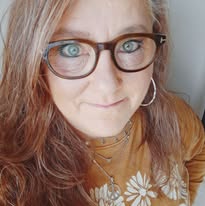
Melody
Certified Practitioner · Founder
What We Hold Sacred
Every person is presumed competent.
Presence before performance.
The body carries wisdom the voice cannot always access.
Data tells a story — it never tells the whole story.
Families are partners, not passengers.
Progress is measured. But a student is never reduced to a number.
The Accuracy Chart
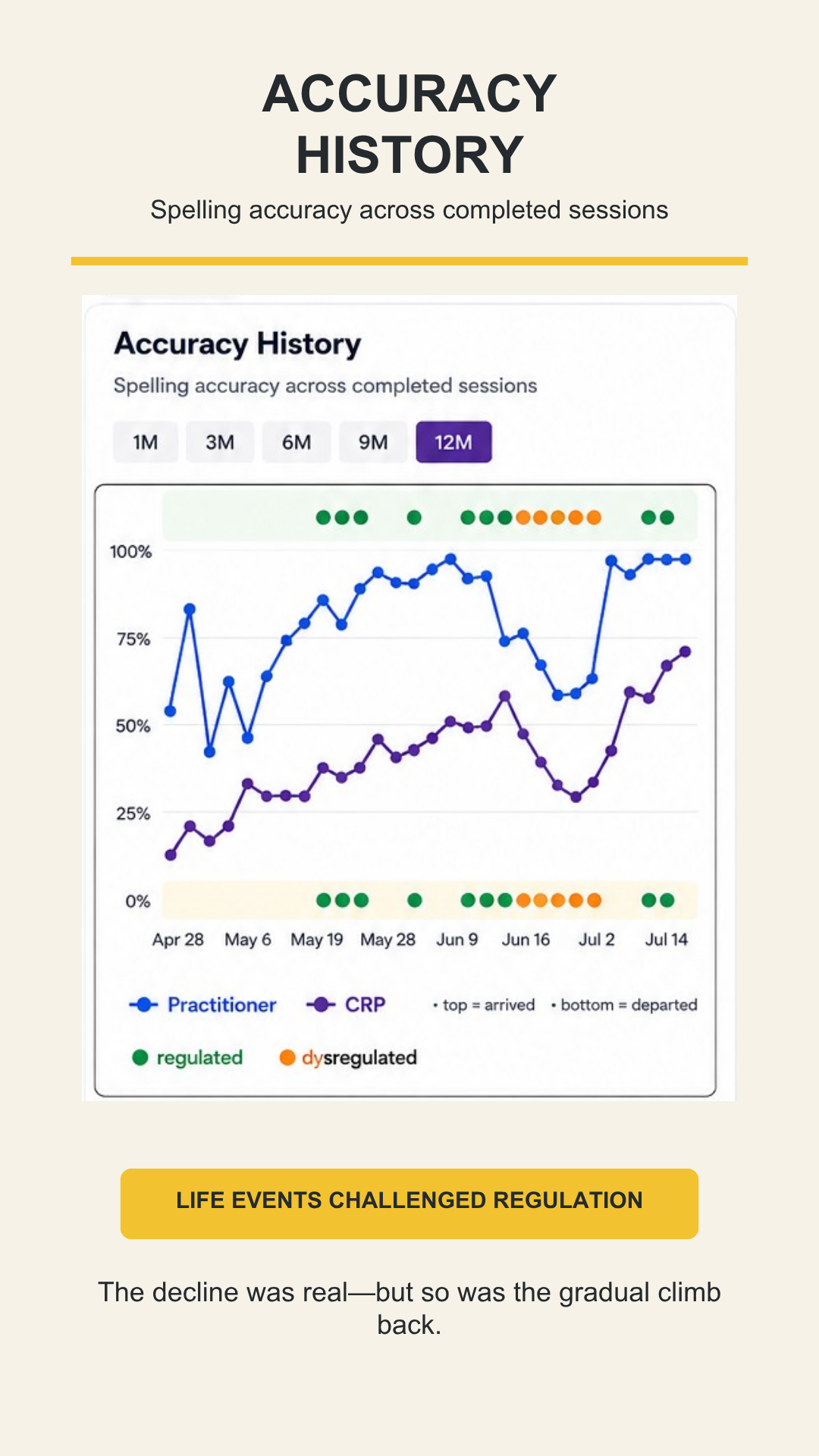
When you look at a student's accuracy chart over time, you are not looking at grades. You are looking at a nervous system learning to trust itself.
A dip in accuracy is not failure. It is often a dysregulation event — a hard day, a change in routine, something sensory. And the climb back up tells you something beautiful: the student did not give up.
We share this with every family. We explain what it means together. We celebrate the climb, not just the peak.
For Practitioners
Manage your caseload, run sessions, track accuracy, and generate transcripts and invoices — the Practitioner Portal is a 30-day free trial, no charge until it ends.
Explore the Practitioner PortalAn Invitation
Whether you're a family just beginning this journey, or someone who has been searching for a practitioner who sees your child the way you do — this work is for you.